
As we delve into the intricate tapestry of American history, few moments remain as poignant and controversial as the assassination of President John F. Kennedy. It’s a subject that has spawned endless debates, theories, and emotional responses, but often, the voices that truly matter get drowned out by the clamor of speculation. That’s where “JFK Has Been Shot: A Parkland Hospital Surgeon Speaks Out” comes into play. Authored by Dr. Charles Crenshaw, a skilled surgeon present at Parkland Hospital on that fateful day, this gripping narrative pulls us into the heart of the emergency room as he recounts his firsthand experiences in an emotionally charged and vivid manner.
In our review of this compelling work, we embark on a journey through not just the events of November 22, 1963, but also through the personal and professional turmoil that accompanied them. Dr.Crenshaw’s account not only illuminates critical moments that unfolded in the operating room, but also challenges the established narratives held by the Warren Commission and the prevailing public misconceptions. With a refreshing and urgent voice, he invites us behind the scenes-a place where history was being written in real time, where lives hung in the balance, and where the truth frequently enough feels elusive.
As we explore the pages of this updated edition, we’ll analyze how dr.Crenshaw’s testimony breaks down decades of myth and misrepresentation surrounding one of the darkest days in American history. Join us as we unpack the complexities of his narrative and discover what it truly means to witness a monumental event unfold before one’s eyes.
Table of Contents
Overview of a Pivotal Moment in history
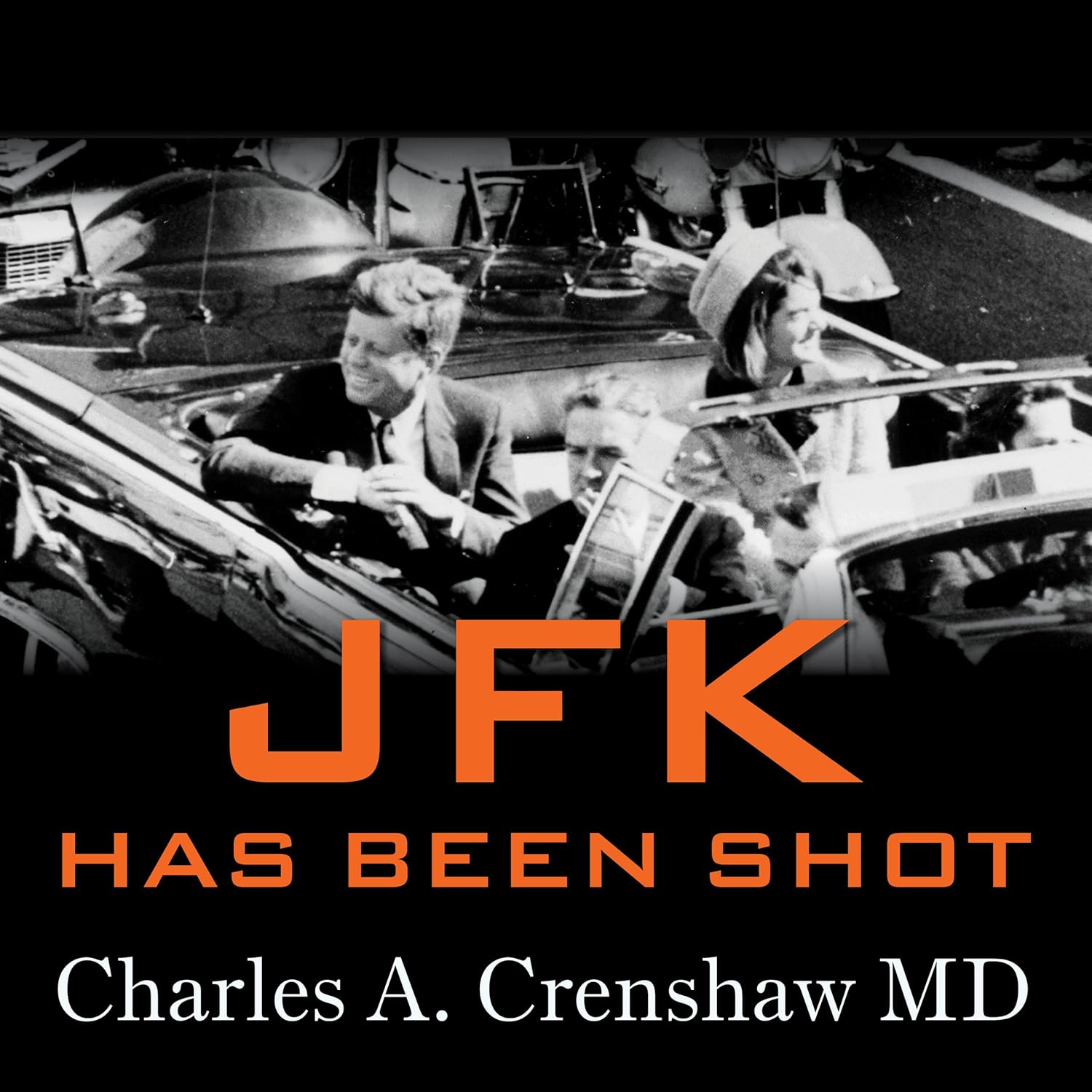
In our exploration of the book, we delve into the crucial events delivered through the eyes of Dr. Charles Crenshaw, who found himself at the center of a national tragedy on November 22, 1963. His firsthand account,captured in JFK Has Been Shot: A Parkland Hospital Surgeon Speaks Out, offers a riveting perspective on John F. Kennedy’s assassination and the immediate response by medical professionals at Parkland Hospital.This book is not just a recollection; it’s a detailed narrative that slices through the layers of myth and conspiracy that have surrounded Kennedy’s death.
Dr. Crenshaw recounts the frantic moments in the trauma room, sharing the palpable tension and emotional weight of trying to save a president.He provides insights into the physical trauma that Kennedy suffered,painting a vivid picture of the procedures undertaken by him and his fellow surgeons. As we turn the pages, it’s clear that a unique tension hangs in the air-both due to the life-and-death stakes of their efforts and the political ramifications that loomed beyond the hospital’s walls. Crenshaw’s narrative serves as an essential piece of history, reminding us of the very real impact of that day beyond just headlines, illustrating the confusion and urgency felt by all who were present.
Throughout the pages, we encounter not only the clinical observations from inside the emergency room but also the implications of the medical realities that challenged the official story presented by the Warren Commission. This contradiction exposes a troubling gap between the experienced realities of the doctors on the scene and the narrative shaped by political powers afterward. It feels like we are grappling with the truth-a truth wrapped in deep state complexities and a desperate need for closure. Crenshaw’s relentless pursuit of accuracy in his account acts as a call to question the prevalent narratives we’ve been fed over the years.
This book shines because it transcends mere storytelling. It’s deeply reflective, compelling us to think critically about the events of that day and their aftermath. We recognize the broader questions around accountability and the quest for truth that shapes our perception of historical events. With each chapter, Dr. Crenshaw not only recounts his daily life as a surgeon but gives us a glimpse into how one horrifying moment in history can ripple outward, shaping a nation’s collective memory and leaving lasting scars on those who bear witness.
Dr. Crenshaw’s testimony is invaluable.For anyone looking to understand not just the events of that fateful day but the emotional and moral weight carried by those who strived to intervene, this book is a compelling read.It invites us to engage with our history in a meaningful way, reflecting on the larger implications of tragedy and the human experience that comes along with it.
Exploring the Insights of a Dedicated Surgeon
When we delve into the gripping account of “JFK Has Been Shot: A Parkland Hospital Surgeon Speaks Out,” we can’t help but feel the profound weight of history resting on the pages. Dr. Charles Crenshaw’s insights as a dedicated surgeon present a unique window into the chaos and stark reality that unfolded in the trauma room of parkland Hospital on that fateful day. His narrative is more than just a recollection; it’s a raw and emotional exploration of the immediate response to a national tragedy that shook the very foundations of our country. This firsthand account heightens our understanding of medical protocols, ethical dilemmas, and the sobering experience of encountering death on a grand stage.
The urgency in Dr. Crenshaw’s writing engages us instantly. As he describes the frantic atmosphere in the hospital, we are transported back to November 22, 1963. His recollections detail not only the grave injuries sustained by President Kennedy but also the collective despair shared by the medical team. We find ourselves captivated by the intricate details he includes, such as the paths of the bullets that tore through the President’s body.This precise documentation ultimately feeds into an overarching narrative questioning the official reports generated in the aftermath. As we read, we can feel the frustration and disbelief radiating off the pages, pushing us to grapple with the inconsistencies of the findings presented to the public.
Dr. Crenshaw’s reflection extends beyond mere medical observation; he offers thoughtful critique on the Warren Commission’s inquiry. Throughout the book,he sheds light on procedural failures and highlights the moments where vital data was left unaddressed. For us, these revelations not only reignite forgotten debates surrounding Oswald’s culpability but also provoke deeper inquiries into the nature of truth itself. We’re compelled to consider the broader implications of the narrative-how a single event can be dissected through various lenses, leading us back to the crossroads of conjecture and fact.
As we engage with the narrative, we can’t help but feel empathy for Dr. Crenshaw. He bears witness to an event that not only defined his career but also shaped a generation’s understanding of governance, trust, and the value of transparency. The allure of conspiracy theories thrives on the ambiguity surrounding this pivotal moment. Yet, through Dr. Crenshaw’s firsthand insights, we have the possibility to confront facts-challenging us to differentiate between myth and reality. In doing so,we share in the hope for clarity and healing amidst a cloud of unanswered questions.
we wholeheartedly recommend “JFK Has Been shot: A Parkland Hospital Surgeon Speaks out” for anyone intrigued by this defining moment in American history. Dr. Crenshaw’s expert testimony offers a compelling view that resonates even today.If you’re interested in exploring this insightful account, be sure to buy it now on Amazon.
Unpacking the Emotional Narrative and Personal Accounts
When we dive into the emotional narrative of “JFK Has Been Shot: A Parkland Hospital Surgeon Speaks Out,” we are pulled into a deeply poignant and harrowing recounting of a critical moment in American history. Dr. Charles Crenshaw’s firsthand account offers us not just the clinical details of that fateful day, but an emotional tapestry woven with fear, urgency, and the weight of witnessing the assassination of President John F. Kennedy.We can feel his anguish as he describes entering the trauma room at Parkland Hospital, where he was confronted with unimaginable circumstances that would forever alter the course of American history and his own life.
Dr. Crenshaw lays bare the horrors he faced as he fought to save JFK’s life, capturing the chaos and sorrow that filled the air. His narrative pulls us into an experience that transcends mere medical observations; it captures the desperation of a surgeon who found himself in an echo chamber of shock and disbelief. We sense his frustration as he realizes the political ramifications of the event, feeling the heavy expectation of the American public for answers that were evasive and unsatisfactory. this isn’t just a book about medical procedures; it’s a chronicle of a traumatic event as perceived through the eyes of a man who was tasked with saving a life while grappling with the expansive implications of failure.
Through Dr. Crenshaw’s reflections, we are struck by a multitude of emotions. There’s a collective sense of frustration that we share with him regarding the government’s narrative and the apparent cover-up that unfolded in its wake. The emotional weight of his experience is powerful as he recounts the tragedy, not just in terms of the physical wounds suffered by Kennedy, but in how it felt to witness a nation’s hope and dreams being shattered in an instant. The author’s recollections resonate deeply, stirring within us questions about truth, accountability, and the often murky motivations behind political narratives.
As we read, we can’t help but feel moved by the profound impact this event had on the author and, consequently, on our shared history. Dr.Crenshaw’s keen observations on the confluence of public sentiment and political machinations offer us a glimpse into how personal and collective grief can intertwine. We are immersed in a moment that, while distant in time, feels ever-present in the fabric of American society. In this way, his story transcends individual experience and becomes a part of our understanding of history-filling us with a mix of reverence, sadness, and an insatiable desire for the truth.
Analyzing the Impact of Medical Decisions on a National Tragedy
When we delve into “JFK Has Been Shot: A Parkland Hospital Surgeon Speaks Out,” we immediatly recognize that this is not just a memoir; it’s a vital recounting of a national tragedy from the perspective of a man who witnessed it firsthand. Dr. Charles Crenshaw’s account as one of the trauma surgeons in the emergency room at Parkland Hospital reveals the medical decisions made during those critical moments when President Kennedy was brought in.The opening hours of November 22,1963,were chaotic and filled with despair,and Crenshaw’s narrative captures that overwhelming urgency while peeling back layers of convention and truth surrounding the events that unfolded. We see the impact of these medical decisions not just on an individual life, but on the entire nation, wich was left grieving and seeking answers.
The author’s experience in the trauma room is visceral. We can almost feel the tension in the air as he paints a picture of frantic efforts to save JFK. Crenshaw details the wounds that changed a nation’s history, including the trajectories of the bullets that entered the President’s body, contradicting official accounts that had long been accepted. His observations lead us to question the conclusions of the Warren Commission, exposing crucial points where the investigation lacked sincerity and depth. As we read along, we can’t help but feel the frustration in his tone when he discusses how his expertise was disregarded in the aftermath. His insights feed into a greater narrative of a distrust that the public harbored towards government findings about the assassination.
dr. Crenshaw’s commentary serves as a reminder of the complex interplay between medical practice and national trauma. He emphasizes that the decisions made in those harrowing moments were characterized by uncertainty, emotion, and a desperate hope to salvage life. Yet, we also see how those medical decisions were overshadowed by the political drama that ensued. The trauma room of Parkland Hospital wasn’t just where emergency medicine was practiced; it became a stage for the unfolding of a national saga,one touched by conspiracy theories and unanswered questions that continue to haunt us today.
Through this engaging recount, Crenshaw gives us more than just a detailed medical report; he offers a extensive analysis of how that single tragic event rippled through American society, shaping its credibility and trust in governmental institutions. The chaos in the trauma room wasn’t just about saving a life; it became emblematic of a broader crisis. As we read Dr.Crenshaw’s compelling narrative, we are led to reflect on the moral and ethical responsibility of those in positions to make decisions that considerably impact collective realities. What did it mean for him, as a medical professional, to navigate through such heartbreaking circumstances while knowing the eyes of a grieving nation were upon the hospital’s doors?
Dr. Crenshaw’s reflections in “JFK has Been Shot” challenge us to engage with history in a nuanced way. He provides clarity in the midst of chaos, urging us to confront the complexities of that day and its aftermath. It reminds us to look beyond the surface details and question the narratives that have been constructed over time. This is a book that compels us to think critically about the intertwining of medical decisions, national identity, and the quest for truth.It’s certainly a poignant read for anyone interested in the layers of history surrounding JFK’s assassination, and the emotional drive of those caught in the whirlwind of a national tragedy.
Our Final Thoughts and Recommendations for Readers
Having explored the intricate details within either pages of JFK Has Been Shot: A Parkland Hospital Surgeon Speaks Out, it’s clear that this book offers a unique perspective on a dark chapter in American history. With firsthand accounts from Dr.Charles crenshaw, we find ourselves immersed in an emotional retelling of the events surrounding the assassination of President John F. Kennedy. The insights shared by Dr. Crenshaw not only shed light on the medical response but also challenge the established narratives set forth by the Warren Commission. These revelations paint a vivid picture of the chaos and urgency that marked that infamous day in November 1963.
we believe this book is a must-read for anyone interested in understanding the complexity of the JFK assassination. noticing how Dr. Crenshaw vividly describes the trauma room and the efforts made to save the president, readers will appreciate the depth of his experiences. His meticulous attention to detail provides a narrative that goes beyond hearsay and conspiracy theories, offering a coherent account that resonates with authenticity. The connections he draws between the immediate medical observations and the subsequent investigations present a compelling argument that keeps readers questioning what they thought they knew.
However, it’s also important to acknowledge that Dr. Crenshaw’s account does not dismiss the broader conspiracy theories that have flourished over the decades.Rather, it adds a layer of complexity to them, showcasing the frustrations and limitations imposed on the witnesses that day. This reflective examination opens up conversations that many may find uncomfortable but necessary. The discussions surrounding truth and accountability echo well beyond the confines of the hospital walls, reaching into the very fabric of American society.
Ultimately, if you’re eager for a narrative that intertwines personal experience with a robust clinical understanding of that day, then this book fits the bill. we highly recommend diving into Dr. Crenshaw’s insights and wrestling with the questions he raises. The impact of JFK’s assassination and its aftermath continues to provoke debate and skepticism. For those ready to delve into a critical analysis that bridges the medical and historical perspectives, this book will not disappoint.
in closing, we urge you to explore this profound account yourself. It’s more than just a recounting; it’s a call to seek the truth amidst a complex and often conflicting historical landscape. To get your copy, simply follow the link: Buy Now on Amazon.
Customer Reviews Analysis
Customer Reviews Analysis
We have gathered a rich tapestry of insights from readers who have delved into “JFK Has Been Shot: A Parkland Hospital Surgeon Speaks Out” by Dr. Charles Crenshaw. Each review reveals unique perspectives and highlights various aspects of the book, framing it as a comprehensive witness account of one of America’s most tragic events. Here’s a summary of key themes that emerged from our analysis of the reviews:
| Theme | Description |
|---|---|
| Eyewitness Account | Several readers appreciate the firsthand experiences shared by Dr. Crenshaw, which provide a new perspective on JFK’s shooting and its aftermath. |
| Frustration with Investigations | A common sentiment is the frustration expressed regarding the inadequacies of the Warren Commission and the official narratives presented, highlighting perceived cover-ups. |
| medical Insights | Readers are intrigued by the detailed medical accounts, showcasing how JFK was treated immediately after the shooting, which adds depth to the events. |
| Complexity of Truth | The theme of seeking the truth amidst a maze of conspiracy theories resonated with many, prompting readers to question the official story. |
| Emotional Impact | Many reviews capture the emotional weight of the narrative, recounting the horrors experienced both by the surgeons and the nation. |
From the reviews, it’s evident that Dr. Crenshaw’s narrative is not just about the medical procedures but is intricately woven with the emotional and psychological aspects of that dreadful day. As one reader eloquently noted, “the ongoing fight to save himself and career from ‘unknown powers’ who were out to discredit and smear him” speaks to the larger implications of his testimony and the broader societal impact of the assassination.
We also noticed a recurring acknowledgment of Crenshaw’s honesty and professionalism; multiple readers believed he delivered his accounts without fabrication, seeking to honor the memory of President Kennedy amidst a whirlwind of allegations and conspiracy theories. This emphasis on integrity adds credibility to not just the author, but the entire narrative presented within the book.
our analysis of customer reviews demonstrates that “JFK Has Been Shot” resonates on multiple levels-medically, emotionally, and historically. As we reflect on these insights, we recognize that they not only deepen our understanding of the events who unfolded on that fateful day but also underscore the enduring quest for truth in a landscape clouded by uncertainty and speculation.
Pros & Cons
Pros & Cons of “JFK has Been Shot: A parkland Hospital Surgeon Speaks Out”
Pros
- Firsthand Account: We appreciate Dr. Crenshaw’s unique perspective as a surgeon who was directly involved in the events surrounding JFK’s assassination, offering us an authentic glimpse into the chaos of the emergency room.
- Engaging Narrative: The writer’s ability to weave a captivating story keeps us enthralled, making this a page-turner for history buffs and casual readers alike.
- Challenges Conventional Wisdom: We find it refreshing that the book questions the established narratives surrounding JFK’s assassination, encouraging us to think critically about historical accounts.
- Illuminates Medical Procedures: The text provides valuable insights into the medical techniques and challenges faced by surgeons during a high-pressure situation, something we rarely find in conventional history books.
- Updated Insights: the revised version of the book incorporates new findings and commentary, ensuring that we are reading the most current analysis of this pivotal moment in history.
Cons
- Medical Terminology: Some readers may find the medical jargon daunting; we suggest keeping a medical dictionary handy to fully grasp all the details.
- Subjectivity of Experience: While Dr. Crenshaw’s perspective is invaluable, we acknowledge it is indeed inherently subjective, which may not sit well with readers expecting purely objective historical analysis.
- Graphic Descriptions: The vivid depiction of trauma and surgery might be unsettling for some, making it a less enjoyable read for those sensitive to graphic content.
- Limited Scope: Although the focus on Parkland hospital is compelling, we wish there was more context regarding the broader political implications that unfolded after the assassination.
- Conspiracy Overload: The discussions surrounding conspiracies may seem excessive to some, possibly detracting from the core medical narrative we were hoping to explore.
Summary Table
| Pros | Cons |
|---|---|
| Firsthand account from a surgeon | Medical terminology may be complex |
| Engaging narrative style | Subjective perspective |
| Challenges conventional wisdom | Graphic content may be distressing |
| In-depth medical insights | Limited historical context |
| Updated with current findings | Potential conspiracy overload |
Q&A
Q&A Section: “”
Q: What makes “JFK Has Been Shot” a must-read for history enthusiasts?
A: We believe this book is essential for anyone interested in the nuances of American history, especially the events surrounding JFK’s assassination. Dr. charles Crenshaw’s firsthand account offers a unique perspective that diverges from the standard narratives, challenging established myths and revealing the human side of a national tragedy.
Q: How does Dr. Crenshaw’s account differ from the warren Commission findings?
A: In our observations, Dr. Crenshaw presents a compelling argument that contradicts the conclusions of the Warren Commission. His detailed recollections from the emergency room at Parkland Hospital illuminate aspects of the situation that were overlooked or misrepresented, allowing readers to reconsider the official narrative surrounding the assassination.
Q: Is this book accessible to readers who may not be familiar with the history of the JFK assassination?
A: Absolutely! We appreciate how Dr.Crenshaw writes with clarity and vivid detail, making complex medical and historical events relatable. Even those who might not have an extensive background in this period will find the book engaging and informative.
Q: What kind of tone does Dr. Crenshaw employ throughout his narrative?
A: In our reading, Dr. Crenshaw maintains a neutral yet emotionally charged tone, balancing the gravity of the events with the immediacy of his experiences. This approach draws us into the chaos of that fateful day and gives us a genuine sense of the urgency felt by those in the emergency room.
Q: Are there any particular myths or misconceptions that Dr. Crenshaw addresses in the book?
A: Yes, he tackles several prevalent myths head-on. Throughout the narrative, we find Dr. Crenshaw dispelling inaccuracies regarding the circumstances of JFK’s injuries and the treatment protocols followed at Parkland, which have often been simplified or dramatized in popular media.
Q: Is there anything new in this updated edition that stands out?
A: We found that the updated edition brings fresh insights and reflections based on ongoing research and newly declassified documents. This additional context enriches our understanding of the events and reinforces Dr. Crenshaw’s credibility as both a witness and a surgeon.
Q: How does the book handle the topic of Lee Harvey Oswald’s treatment?
A: The treatment of Oswald is another critical aspect we found to be handled with sensitivity and professionalism. Dr. Crenshaw recounts his experience treating Oswald, contributing to our understanding of the medical ethics involved in such high-stakes scenarios, even amidst the surrounding chaos and public scrutiny.
Q: Would you recommend this book to readers interested in conspiracy theories related to JFK’s assassination?
A: While the book does delve into the misperceptions that have fueled conspiracy theories, we suggest readers approach it with an open mind. Dr. Crenshaw’s account is grounded in his experience rather than speculation, providing a more factual basis than many conspiracy narratives.
Q: What overall impact does this book have on the reader?
A: We found that “JFK Has Been Shot” leaves a lasting impression, prompting us to reflect on the complexities of history, the reliability of narratives, and the profound human experiences that underpin significant events. It encourages us to think critically about what we believe and the sources from which we draw our understanding of the past.
Embrace a New Era
As we reflect on our journey through the pages of “JFK Has Been Shot: A Parkland Hospital Surgeon Speaks Out,” it’s clear that this book offers us more than just a historical account; it provides a visceral experience that pulls us directly into the chaos of that fateful day. Dr. charles Crenshaw’s narrative not only challenges widely held beliefs but also invites us to reconsider the stories we’ve been told about one of the most pivotal moments in American history. Through his eyes, we gain an invaluable perspective that transcends the myths and theories that have circulated for decades.
In a time when truth feels increasingly elusive, Crenshaw’s testimony stands as a powerful reminder of the human element behind historical events. His urgency and authenticity resonate, making us feel as if we are right there, witnessing the turmoil and the heroism in the emergency room of Parkland hospital.
We encourage you, fellow history enthusiasts, to dive into this compelling work that sheds light on the complexities of a tragic day.If you’re ready to uncover the truths that lie beneath the surface and explore an experience that is both harrowing and enlightening, we invite you to grab your copy.
Don’t miss out on this critically important addition to our understanding of history. click here to purchase: “JFK Has Been Shot: A Parkland Hospital Surgeon Speaks Out” and embark on a revealing journey today!
