
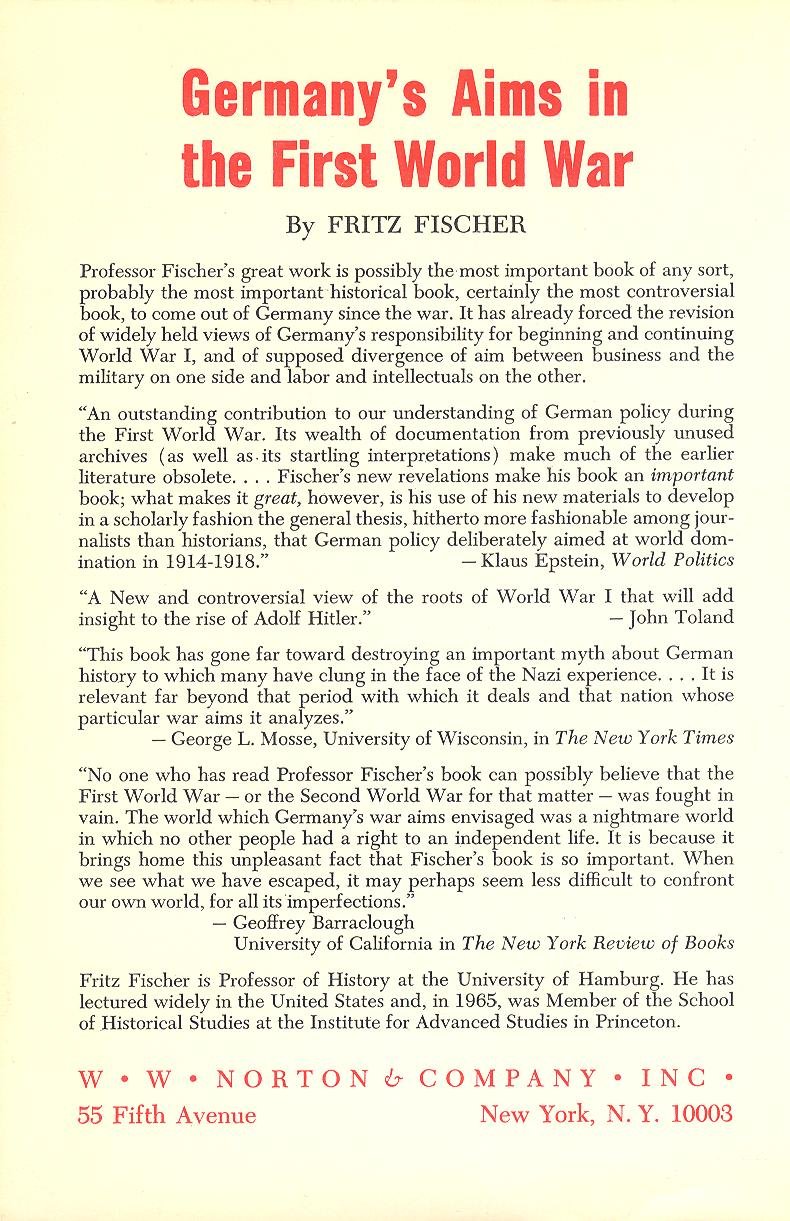
Welcome to our latest product review, where we dive into a historical gem that has sparked intense debates and discussions among scholars and enthusiasts alike-Germany’s Aims in the First World War by Professor Fritz Fischer. Published by W W Norton & Co Inc in 1968, this English and German edition spans an impressive 704 pages, challenging readers to reconsider their understanding of one of the most tumultuous periods in history.
As we leaf through Fischer’s meticulous analysis, we find ourselves navigating the complexities of Germany’s motivations during World War I. This book isn’t just another historical account; it’s a controversial tome that has made waves as its release,frequently enough deemed the most crucial historical work to emerge from Germany post-war. With our own reading experience at hand, we’ll explore why this book has earned its place in the canon of historical literature and why it continues to resonate with readers today.
Join us as we dissect the themes, arguments, and implications that Fischer lays out-offering insights into the political dynamics of early 20th-century Europe and their far-reaching effects. Whether you’re a history aficionado or a casual reader, we believe this book presents an invaluable perspective that is worth unpacking. So, let’s delve into the pages of this significant work and unravel the threads of history woven by Fischer’s thought-provoking narrative.
Table of Contents
Our Comprehensive Overview of Germany’s Aims in the First World War

Understanding Germany’s aims in the First World War is crucial for comprehending the broader context and impacts of the conflict. The book titled “Germany’s Aims in the First World War” offers a detailed examination of this topic. We believe it stands out as an essential read for anyone interested in military history and the intricate dynamics of wartime politics. The author, Fritz Fischer, approaches the subject with a remarkable analytical perspective, treating German ambitions during this tumultuous period with the same meticulous accuracy that Thucydides granted to his work on the Peloponnesian War. This makes the book not only a significant historical source but also a thought-provoking narrative.
Among its key features, the book delves into germany’s strategic goals and the imperialistic aspirations that fueled its wartime decisions. With over 700 pages, it meticulously outlines how Germany envisioned uniting Central Europe under its hegemony. This concept was aimed at establishing an economic framework that could effectively counterbalance the other Empires of the time. Fischer’s comprehensive analysis, supported by extensive documentation, sheds light on how these ambitions did not fade during the war but intensified, leading to significant consequences for Europe and beyond.
Fischer’s performance in delivering this examination is nothing short of impressive.He provides insights that reveal Germany’s responsibility for initiating the war, notably through its encouragement of Austria-Hungary’s actions against Serbia. The author’s discourse depicts a powerful Germany intoxicated by its ambitions, relentlessly pursuing goals that included territorial expansion in the West and East. This detailed narrative is presented in a writing style that, while dense, remains engaging and informative, demanding the reader’s attention but rewarding it with profound knowledge and understanding.This book has retained its relevance since its initial publication, making it a valuable resource for both historical scholars and casual readers with a keen interest in the topic.
This book, regarded as a cornerstone in the study of world War I, not only encapsulates the aims and motives of Germany during the war but also reflects on their implications, many of which resonate today.Although the narrative might initially seem overwhelming due to its extensive detail, readers will find moments of clarity that make the engagement worthwhile. Through fischer’s lens, we grasp the deep-seated motivations that shaped Germany’s actions and decisions throughout this pivotal history. As we explore these aspects, we come to appreciate the necessity of understanding the past to inform our views on present-day geopolitics.
we highly recommend “Germany’s Aims in the first World War” for anyone seeking a thorough and insightful analysis. Its depth and scholarly approach ensure that it is not just another history book but a pivotal narrative that aids in understanding Germany’s historical trajectory and its continued relevance.For those passionate about military history, this book serves as a foundation for informed discussions about both World War I and the broader implications of imperialism in shaping contemporary global relations. Check out the detailed analysis and insights by getting your copy today: Buy Now on Amazon.
Exploring the Rich Dual-Language Format and Historical Context
The dual-language format of this intriguing book allows us to engage with the content in both English and german. This feature is particularly valuable for those of us looking to enhance our language skills while diving deep into a critical examination of Germany’s war aims during the First World War. Reading in both languages provides an immersive experience, enabling us to appreciate the nuances and contexts that might be lost in a single-language text. We find the bilingual format not just practical but enriching, opening up a dialog between the two cultures and their historical narratives.
Moreover,the historical context in which this book was written is just as compelling as the content itself.The 1960s were a time of intense scrutiny regarding World War I and its implications on modern Europe. In a post-war period where narratives about Germany were often charged with politicization, this work stands out for its analytical rigor. Fritz Fischer’s approach invites us to explore the complexities of German motivations without oversimplifying or placing blame. This aspect is something we appreciate, as it encourages critical thinking and discussions beyond just facts and figures.
The text also helps us understand the intricate web of alliances and hostilities that characterized the early 20th century. By examining the war aims and objectives from a German perspective, we gain insights into how those ambitions extended well beyond immediate military goals. The historical context is meticulously presented, with Fischer weaving facts through a narrative that examines the broader implications of Germany’s actions. This makes the read more then just a lesson in history; it’s a reflection on how past ambitions resonate in today’s geopolitical landscape.
This dual-language edition is an invaluable resource for history buffs and scholars alike, pushing us to analyze the past with a critical eye while being grounded in authentic sources. Whether we’re reading in English or German, the clarity and depth of fischer’s research propel us into a rich exploration of historical truths. this book deserves a place on our shelves, offering continued relevance as we navigate the complexities of modern history.
Unpacking Key Themes and Insights from the Pages
When diving into Germany’s military ambitions during the First World War, we can’t help but be captivated by the intricate layers of historical analysis presented within this book. It unfolds like a rich tapestry, intricately woven with strands of political maneuvering, enterprising war aims, and complex motivations. With a neutral yet inquisitive tone, the author invites us to explore how Germany sought to establish itself as a dominant continental power. The insights we gain delve deep into the strategies and ideologies that fueled the landscape of World War 1, emphasising that the journey into understanding the past is replete with enlightening revelations.
Throughout the pages, we’re exposed to the author’s dispassionate yet penetrating analysis, which feels reminiscent of the meticulous approach taken by Thucydides in his historical works. The book provides us with a thorough dissection of Germany’s objectives, shedding light on how these ambitions were not merely expansive, but tied to a vision of economic unity under German hegemony. As we dig deeper, we begin to grasp the gravity of this pursuit and the lengths to which the German leadership was prepared to go to realize these aims. The clarity with which the author presents his findings allows us to comprehend the sheer historical weight of Germany’s actions during that tumultuous period.
We appreciate how the narrative carefully disentangles the motivations behind the policies that led to war, illustrating that this is not merely a tale of one nation’s failings. Instead, it elucidates how deeply embedded these war aims were within the structure of German political thought. By examining those views, we’re led to better understand the larger implications and consequences that echoed far beyond the war itself. For anyone who has a strong interest in military history or seeks to comprehend the nuanced interplay of power dynamics that define international relationships, this book is an invaluable resource. It serves as a stark reminder that history courses through an intricate web of motives and consequences.
In essence, engaging with this text is akin to embarking on a mental expedition where we navigate the labyrinth of wartime strategy, ambitions, and ideological clashes. It’s not a straightforward read, but it certainly rewards our investment with its depth of analysis.By reframing our understanding of these historical events, the author encourages us to reflect on the nature of power and conflict within the broader scope of human history. The complex themes interwoven throughout bring alive the thought processes of those who influenced a significant chapter of the 20th century.
As we reflect on the rich insights offered, it’s evident that the examination of Germany’s war aims is crucial for comprehending the multifaceted nature of World War 1 and its enduring legacy. Whether we see parallels in modern-day geopolitical tensions or simply seek to engage with a pivotal moment in history,this work provides a compelling framework for understanding the nuances of power,ambition,and result that have shaped our world. We find it evident that such scholarship is not only relevant but necessary for those looking to understand the motives that drive nations to war.
Reflecting on the Impact of Strategic Analysis in the Text
of “Germany’s Aims in the First world War,” we find ourselves grappling with some profound insights. This book dives deep into the motivations that drove Germany into the war, and through Fischer’s meticulous research, he unveils the calculated ambitions of German leaders. It’s an analytical treasure trove that encourages us to rethink historical perceptions. The intricate details provided about germany’s war aims help us understand not just the nature of the conflict, but also the undercurrents that shaped modern European politics.
When we delve into Fischer’s analytical lens, it becomes evident that he dose not shy away from undressing the hubris of an empire. His cold, dispassionate insights encourage us to reflect critically on Germany’s roles and ambitions in the war.This level of scrutiny is not merely about assigning blame; it’s about understanding the complexities and motivations that led to such catastrophic consequences. As we read through the text, it’s almost as if we can feel the weight of history pressing down on us, urging us to acknowledge the consequences of unchecked ambition.
fischer’s arguments are compelling, especially when considering how they resonate with contemporary issues. By exploring Germany’s strategic aims, he prompts us to draw parallels with today’s geopolitical landscape. This isn’t just a dry analysis; it’s a powerful narrative that leads us to reflect on the perhaps cyclical nature of history. His work meanders through intricate diplomatic relations, economic ambitions, and the heavy influence of military strategies that we cannot ignore. We walk away from this analysis not just with knowledge, but with a sobering understanding of the past’s relevance to our present.
The clarity with which Fischer articulates these strategic analyses reveals the intricate web of motivations behind Germany’s actions. This book is not just for history buffs or academics; it’s a resource for anyone interested in the socio-political fabric of conflict.The chance it provides to glimpse into the minds of those who shaped early 20th-century politics is invaluable. Through each page, we are encouraged to unearth our own reflections, weighing what led to such decisions in the grand tapestry of history.
Our Recommended Takeaways for Enthusiasts of History and Literature
for those of us who love diving deep into the complexities of historical narratives,”Germany’s Aims in the First World War” is an absolute must-read. This isn’t just a book about the First World War; it’s a lens into the soul of a nation grappling with its identity and aspirations during a tumultuous period. With an impressive depth of research and insightful analysis, Fischer lays bare the intricacies of Germany’s war aims, adding layers of understanding that resonate even today. The detailed examination of Germany’s ambitions, coupled with its political machinations, offers us essential context about both the past and the unfolding present.
One unique aspect of this book is Fritz Fischer’s relentless quest for truth. He doesn’t shy away from portraying Germany’s role in the war candidly, even when faced with backlash from academia and the public. It challenges the reader to consider the nuances of blame and responsibility without oversimplifying the complex geopolitical landscape of the time. The prose is dense but rewarding, turning the reading experience into a journey of discovery, where each page reveals a profound insight about the motivations behind some of the most contentious events of the early 20th century.
As we engage with this significant work,we also find that it serves as a powerful reminder of the danger of revisionist history.Fischer’s dedication to presenting facts and analyzing the causes and effects is commendable. It encourages us to confront uncomfortable truths rather than seeking solace in simplified narratives. This clarity not only enhances our understanding of the First World War but also invites us to reflect on the historical context of conflicts today. It’s a compelling argument for why we should return to classic works that challenge our perceptions and stimulate critical thought.
Whether you approach it as a seasoned historian or a passionate novice, this book demands our attention. The quality of research and the compelling nature of its conclusions make it an invaluable resource. It’s not merely historical documentation; it’s an invitation to participate in ongoing conversations about war, responsibility, and the human condition. In reading Fischer, we’re reminded of the weight of history and its persistent relevance. We highly recommend adding this challenging yet enlightening text to our collections. You’ll find in it not just history, but a piece of the puzzle that helps explain the world we navigate today.
So, if you’re ready to delve into a nuanced discussion about World War I and what it meant for Germany and beyond, don’t hesitate.Let’s equip ourselves with a robust understanding by picking up this essential read. Get it now on amazon
Customer Reviews Analysis
Customer Reviews Analysis
As we delve into the multifaceted opinions regarding Germany’s Aims in the First World War. (English and German Edition), it is clear that Fritz Fischer’s work evokes a broad spectrum of responses from readers. These reviews highlight his groundbreaking approach to historical analysis and the implications of his findings not just for understanding the past, but for grappling with present and future geopolitical realities.
| Feature | Customer Sentiment |
|---|---|
| Analytical Accuracy | Highly praised for its dispassionate analytical approach, akin to Thucydides. |
| Depth of Research | Widely regarded as a model of research and academic integrity. |
| Readability | Some readers found the dense writing challenging but rewarding. |
| Impact of Fischer Thesis | Recognized as a seminal piece influencing views on German responsibility for both World Wars. |
| Controversy | Generated debates regarding nationalism in historical narratives. |
Many reviewers admire Fischer’s ability to sift through complex political motives while maintaining an objective stance. They appreciate his insistence on the significance of understanding the interwoven desires of the German Empire in context rather than attributing guilt to individuals or solely the state. One reviewer encapsulated this sentiment beautifully: “It is indeed not for the Historian to accuse or defend,” underscoring the necessity for thorough examination of historical facts over popular narratives.
Despite the book’s initial reception that varied markedly across borders-embraced by some and scorned by others-the consensus among serious historians and dedicated readers is that Germany’s Aims remains an essential text. It shines a light on not just the ambitions of Germany in the First World War, but sets a foundation for understanding the contours of modern European politics and historical revisionism.
our analysis of customer remarks reflects a profound respect for Fischer’s work, indicating that while it may not cater to casual readers, it stands as a pivotal study for serious researchers and enthusiasts alike. As we continue exploring this complex topic, we invite our readers to join us in navigating the intricate threads of history entangled in this remarkable book.
Pros & Cons
Pros & Cons
Pros
- In-Depth Analysis: Fischer provides a comprehensive exploration of germany’s motives during WWI, which is an invaluable resource for historians and enthusiasts alike.
- Dual Language Edition: The inclusion of both English and German makes it accessible for a wider audience, catering to both scholars and casual readers.
- Controversial Perspectives: The book challenges conventional narratives, prompting critical thinking and discussion amongst readers, which can be particularly engaging.
- Highly Rated: With a rating of 4.6 out of 5 stars from 85 reviews, the book clearly resonates well with a significant portion of its audience.
- Historical Significance: As a pivotal work since its publication, it remains relevant for understanding the political landscape of early 20th-century Europe.
Cons
- Lengthy Read: At 704 pages, the book may be daunting for some readers, especially those looking for a more concise overview of the topic.
- Complex Language: The academic style and depth of analysis may be challenging for casual readers or those without a strong background in history.
- Controversial Stance: Some historians and readers may disagree with Fischer’s interpretations, which could lead to polarizing views.
- Limited Audience: Its specific focus on Germany’s aims during WWI might not appeal to those interested in broader historical narratives.
- Availability Issues: Being published in 1968, it may be harder to find in regular bookstores, possibly requiring an online order or a visit to a specialized shop.
| Pros | Cons |
|---|---|
| In-Depth Analysis | Lengthy Read |
| Dual Language Edition | Complex Language |
| Controversial Perspectives | controversial Stance |
| Highly Rated | Limited Audience |
| Historical Significance | Availability Issues |
In this section, we encapsulate our analysis of “Germany’s Aims in the First World War” by weighing the positives and negatives of the book. We aim to provide a balanced view so readers can make informed decisions.
Q&A
Q&A Section for “”
Q: What is the main focus of Professor Fischer’s work?
A: In our analysis, we find that Fischer’s book primarily delves into Germany’s strategic goals and motivations during World War I. He articulates how these aims influenced the course of the war and subsequent political developments. His arguments challenge prevailing narratives, making this a pivotal read for anyone interested in understanding the complexities of historical interpretation.
Q: Is this book accessible for readers who are not historians?
A: We believe that while the book is quite dense at 704 pages, Professor Fischer’s clear writing style and the dual-language format (English and German) make it more accessible than many academic texts. Readers with a general interest in history will still find valuable insights, although a basic understanding of the period will enhance their experience.
Q: How does this edition compare to others in terms of content?
A: We appreciate that this edition remains true to Fischer’s original work while providing a comprehensive view of his arguments. It stands out because of its scholarly depth and the way it addresses criticisms, allowing readers to engage with the ongoing debates surrounding Germany’s role in the war.
Q: What makes this book controversial?
A: Fischer’s thesis posits that Germany played a more aggressive role in the war than previously acknowledged, igniting a significant debate among historians and the public alike. We note that this perspective has drawn both admiration for its boldness and criticism for its implications, which is highly likely why it is indeed labeled one of the most controversial historical texts to emerge from post-war Germany.
Q: Is this book suitable for a general audience?
A: We feel that while the book is written with an academic audience in mind, it can be appreciated by general readers who are passionate about history, particularly military and political history. Those new to the subject may occasionally struggle with some of the more intricate arguments, but the overall narrative and insights are worth the effort.
Q: How does the dual-language format enhance the reading experience?
A: We find that the dual-language format is a fantastic feature, as it allows readers to engage with the text in both English and German. This can help bridge gaps in understanding and encourages bilingual readers to explore the nuances of Fischer’s arguments in their original language, enriching the overall experience.
Q: What do readers think of this book based on customer reviews?
A: Our review of customer feedback indicates a strong thankfulness for Fischer’s thorough analysis and the depth of research presented. With an average rating of 4.6 out of 5 stars,it’s clear that many readers find it to be a crucial addition to their historical libary. However, as with any scholarly work, some critiques focus on the dense prose and the challenging nature of the content.
Q: Can this book be considered a definitive resource on World War I?
A: While we would hesitate to call any one book definitive, we do feel that Fischer’s work is an essential resource for anyone studying World War I. Its insights into Germany’s ambitions offer a nuanced perspective that encourages readers to rethink commonly accepted narratives, making it vital for both scholars and enthusiasts alike.
Unlock Your Potential
As we draw our review of “Germany’s Aims in the First World War” to a close,we find ourselves reflecting on the profound impact this book has had on our understanding of one of history’s most complex conflicts. Professor Fischer’s analysis offers a compelling blend of historical rigor and controversial insights, making it a must-read for anyone serious about delving into World War I’s deeper narratives.
This dual-language edition serves not only as an essential academic resource but also as a thought-provoking entry point into the intricate motives that shaped Germany’s actions during the war. Whether you’re a historian, a student, or simply a curious reader, we believe this book will expand your perspective and inspire critical discussions.
If you’re ready to engage with one of the most significant works on the topic, we encourage you to add “germany’s Aims in the First World War” to your collection today. It’s a journey into history that we won’t soon forget.
Don’t miss out-discover the book here and unlock the layers of history that continue to influence our world.
