
Unraveling the Weeds: Our Journey with “Weeds of the Northeast”
As avid gardeners and horticultural enthusiasts, we often find ourselves captivated by the delicate balance of nature’s beauty. Though,lurking beneath the vibrant flora are the weeds-the frequently enough-overlooked villains in our gardening tales. Today, we are excited to share our first-hand experience with “Weeds of the Northeast,” a comprehensive guide that promises to be our trusty companion in the ongoing battle against these resilient invaders.
This lavishly illustrated manual boasts the ability to identify 299 common and economically significant weeds spanning from Virginia to Maine and as far west as Wisconsin. With its unique focus on vegetative characteristics,this resource equips us with the tools needed to pinpoint troublesome plants even before they bloom,allowing for more effective management strategies.
Join us as we dive into the pages of this first-of-its-kind guide, exploring its user-amiable features, from informative dichotomous keys to a handy grass identification table.We’ll share how this manual not only assists professional horticulturists and agronomists but also proves invaluable to home gardeners, landscape managers, and anyone who appreciates the intricacies of their green spaces. Ready to join us in unveiling the secrets and solutions hidden among the weeds? Let’s dig in!
table of contents
Overview of Weeds of the Northeast and Its Importance

When we dive into understanding local flora,having a reliable resource like “Weeds of the Northeast” is vital.This book is a lavishly illustrated manual, showcasing 299 common and economically important weeds in a region that stretches from Virginia up to Maine and southern Canada, and all the way west to Wisconsin. It gives us the tools to identify these weeds before they bloom, making our gardening or land management tasks a whole lot easier.
The importance of this guide can’t be overstated. We certainly know that properly identifying weeds allows us to employ effective management strategies. Whether we’re home gardeners, landscape managers, or professionals in horticulture, having a solid identification manual is indispensable. As the authors base the identification on vegetative characteristics rather than flowers, it simplifies the process. We can quickly narrow down our options using a dichotomous key that leads us to the right species descriptions.
This book stands out with its comprehensive approach. Each common weed has a full page dedicated to both vibrant photographs and detailed descriptions. We love that it showcases plants at various life stages-seeds, seedlings, and mature plants-making it easier for us to recognize them any time of year.The additional tools, such as a fold-out table for grass identification, make weed management even more straightforward. This resource enables us to tackle our gardening tasks with confidence.
Weeds of the Northeast is not just for casual gardeners; it’s an invaluable environmental reference. Professionals who conduct wetland delineations often encounter weedy species, making the depth of facts and variety of color photographs in this book particularly useful. with its structured layout that includes diagnostic tables, we feel equipped to correctly identify plants and understand their implications in our working environments.
In short, this guidebook truly is a game-changer for anyone navigating the intricate tapestry of Northeast weeds. It’s clear that the authors aimed to empower us with knowledge,and they deliver it in spades. for those of us passionate about understanding our local ecosystems, this book is nothing short of essential.
Exploring the Unique Features That Set This Product Apart

Exploring the unique features that set “Weeds of the Northeast” apart, we find a wealth of information and practical tools that every gardener and plant enthusiast can appreciate. First and foremost, this book stands out for its lavish illustrations and comprehensive identification of 299 common and economically significant weeds in the Northeast region. With such a range, we can confidently identify plants before they flower, which is crucial for effective gardening and land management. The beauty of this guide lies in how it prioritizes vegetative characteristics over floral ones, allowing us to pinpoint species at any time of the growing season.
The practical approach of “Weeds of the Northeast” is highlighted through its use of a dichotomous key, which considerably narrows down species identification. By providing a straightforward method to confirm findings through detailed descriptions and matching images, it empowers us to learn and engage with the flora around us. You can quickly look up a weed, see its various life stages-like seedlings and mature plants-and compare characteristics, all on a single page. This layout not only saves us time but often feels like a mini-exploration into the plant world right at our fingertips.
Another advantage we love is the comprehensive fold-out grass identification table, which simplifies diagnostics and makes it accessible for both professionals and weekend gardeners alike. The shortcut identification table that lists unusual vegetative traits-like thorns or whorled leaves-proves to be a valuable time-saver when we’re in the field.This attention to detail ensures we won’t miss crucial identifiers, vastly improving our ability to recognize problematic species in our gardens and green spaces.
The extreme detail found in the photographs is another major selling point. Each plant is shown in multiple forms: in flower, as young seedlings, and even with close-ups of specific attributes.Whether we’re curious about the size reference of a plant or its unique features, these visuals help us connect the dots. It’s as if we have our personal guide while wandering our yards or on a nature trail, enhancing both our identification skills and understanding of plant ecology.
ultimately, what sets “Weeds of the Northeast” apart is the synergy between in-depth textual information and breathtaking imagery, making it a staple resource for anyone dealing with plants in the northeast. Coupled with the ability to easily identify and understand the common weeds that populate our spaces, this guide feels essential for effective plant management and environmental professionalism. As we dive deeper into learning our local surroundings, we find that this book truly enriches our gardening experience.
Insights gained from Our Experiences with Weeds of the northeast
when we first picked up Weeds of the Northeast, we were immediately struck by its comprehensive approach to identifying common and economically significant weeds found in our region. This book truly stands out as an invaluable resource, especially for anyone working with plants or managing a garden. The keyword “weeds of the Northeast” sums it up-this guide is tailored to meet our needs for plant identification, tracking down everything from common backyard nuisances to species with particular agricultural relevance. The lavish illustrations and detailed descriptions make it easy to navigate through the vast information presented.
One of the key features we noticed is how the book emphasizes vegetative characteristics rather than just flowers. It’s essential for identification, especially when plants haven’t yet bloomed. The dichotomous key allows us to narrow down choices effectively, making it simple to confirm the identity of a weed by cross-referencing photos and descriptions. This structure drastically cuts down our identification time-a game-changer when dealing with unfamiliar weeds. We’ve found ourselves relying on the speedy-reference fold-out grass identification table, which was an unexpected but appreciated inclusion that speaks to the book’s thoroughness.
Our hands-on experiences with this guide were overwhelmingly positive. This wasn’t our first attempt at identifying weeds using a book, but we found Weeds of the Northeast to be uniquely user-friendly. The detailed photographs captured various life stages of each weed, which is quiet helpful. As an example, when we stumbled upon a seedling, we were able to quickly reference several different photos on a single page, leading to successful identification much faster than with previous guides.This efficiency means less time spent pondering over plant characteristics and more time focusing on how to manage our garden effectively. We believe it’s great for both amateurs and professionals alike.
However, we do feel the book could benefit from additional information on weed control strategies. While it provides fantastic insights for identification, knowing how to tackle each species after identifying it would elevate its utility even further. In our journey to weed management, we hope the next edition includes suggestions for controlling the identified weeds, perhaps citing common herbicides or manual removal tips.Still, this guide has cemented itself as our go-to reference when identifying and managing weeds.
As we continue using Weeds of the Northeast, our confidence in identifying and understanding the plants around us has grown. The insights we’ve gained from the rich content and detailed visuals have enriched our gardening experience and bolstered our knowledge. We can wholeheartedly recommend this book to anyone serious about tackling weeds, whether you’re a beginner gardener or a seasoned professional. If you’re intrigued, don’t hesitate to check it out-it’s worth adding to your collection!
Practical Recommendations for Maximizing Its Benefits

To really maximize the benefits of ”Weeds of the Northeast,” we recommend diving into the key features that make it a standout. First off, the visual aids are game changers for anyone who struggles with identifying weeds. The variety of photos showcases each plant at different growth stages,making it easier for us to spot them in our gardens or natural areas. We find that if we take the time to study those images, getting the plants identified quickly becomes a fun, rewarding challenge.
We should also utilize the dichotomous key included in the book. This feature lets us narrow down our options based on physical characteristics. It’s not just efficient; it feels like we’re detectives unraveling the mysteries of our gardens. we recommend keeping a notepad to jot down plants we suspect. That way, when we flip through the book, we can refer back to our thoughts and make the identification process smoother.
Let’s not forget the special features for grasses and plants with unique characteristics. We can use the quick identification tables to our advantage, especially when we’re faced with plants that have thorns or unusual leaf arrangements. By familiarizing ourselves with such resources ahead of time, we’ll save ourselves a lot of head-scratching in the field. The key is preparation: knowing what to look for before we head out on our plant identification sessions.
Also, engaging with the glossary at the end can offer us deeper insights. It’s not just about identification; understanding the terms used will enhance our overall knowledge of botany. We find that the more we know, the more we appreciate the diversity of plants around us. Combining the straightforward, detailed descriptions with the images can lead to those eureka moments where we recognize a weed we’ve been seeing for ages.
if we’re looking to share our journey, connecting with communities or forums that focus on local flora can amplify our learning experience. We can discuss our findings,gather tips,and even share photographs. Engaging with others brings new perspectives and can make our gardening adventures even more enjoyable. by fully utilizing the resources offered in this book, we’ll not only improve our weed identification skills but also deepen our thankfulness of the natural world around us.
Final Thoughts on Our Journey with Weeds of the Northeast
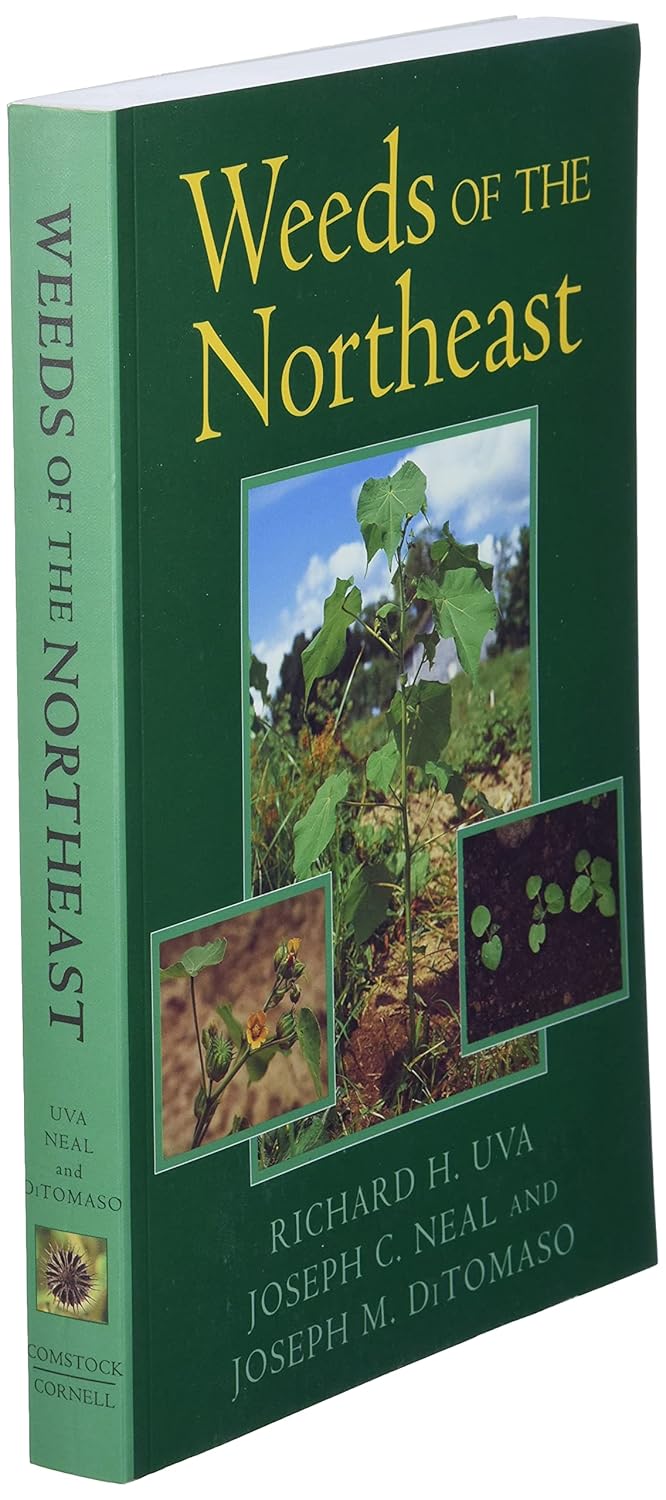
reflecting on our journey with “Weeds of the Northeast,” we can confidently say this book has been an invaluable resource for us. This guide offers a comprehensive and beautifully illustrated perspective on identifying 299 common weeds, a task that seemed daunting at first. The moment we flipped through its pages, we were greeted with stunning photographs and insightful descriptions that catered directly to our needs. The book’s layout is thoughtfully organized, making it easy to navigate through diverse plant characteristics. This is not just another guide; it feels like a collaboration between nature lovers and experts!
As we dove deeper into the text, we appreciated how it emphasized vegetative characteristics instead of relying solely on flowers for identification. this approach made the identification process straightforward, especially when we had encountered plants at different life stages. The dichotomous key was particularly beneficial, allowing us to narrow down species with ease. It was an “aha!” moment when we discovered how playful plant identification could be,especially when exploring our garden and open spaces. Each plant depicted came with a feast of information, including multiple views and essential features, making identification almost foolproof.
While the book has a few limitations, such as not providing expanded information on managing certain weeds, its primary purpose shines through-that of identification.we found it incredibly helpful in expanding our knowledge about plants we previously hadn’t understood, transforming our garden experience. For anyone eager to know more about their surroundings or even for professionals needing a handy reference, this book is a must-have. Its extensive photographic documentation and detailed descriptions significantly enrich the learning experience.
Ultimately,we have enjoyed every moment spent with “Weeds of the Northeast.” It’s encouraged curiosity about our environment,inspired us to learn more,and made every exploration feel like an adventure. Whether you’re a casual gardener or a dedicated environmentalist, we wholeheartedly recommend it. It’s not merely a guide; it’s a trusted companion in our journey through the fascinating world of weeds.
Customer Reviews Analysis
customer Reviews Analysis
In our review of “Weeds of the Northeast,” we took a close look at what customers are saying about this gardening guide. The feedback from users has been overwhelmingly positive, highlighting several key features that make this book an essential resource for both amateurs and professionals when it comes to weed identification.
Identifying Weeds with Ease
Many customers have expressed their satisfaction with the book’s effectiveness in identifying common weeds. One user noted that they could identify all the weeds they had been curious about in just 30 minutes, thanks in part to the comprehensive visuals included:
“Every one of the 299 common weeds described in this book has a full page of great pictures as well as a page of information.”
Visual Learning
The importance of detailed photographs is a recurring theme in the reviews. Users appreciate the diverse range of images showing different stages of plant growth-from seedlings to mature specimens-which aids in accurate identification:
“By having the various life stages all on one page, you are bound to find the species you are looking for-any time of year.”
Content and Depth
Comments regarding the depth of information available in the book reveal that while it excels at identification, many readers wish for additional guidance on controlling or eradicating the weeds:
“They did not include information on how to best control or eradicate the weeds.”
Customer Suggestions
Several reviewers have recommended that the book could be even more useful if it provided concise control methods for each weed listed. This gap is noted as a missed opportunity to create a more holistic gardening resource.
Comparative Value
Another common thread among reviews is the book’s affordability in comparison to other guides. Users have pointed out that it offers extensive information and quality visual aids at a lower price:
“The price for the paperback is unbelievably cheap compared to some other guides I have purchased.”
Overall Impact
the general consensus among customers is that “Weeds of the Northeast” serves as an invaluable tool for anyone involved in gardening or environmental work. With its comprehensive illustrations and useful identification features, it holds a special place in many users’ libraries:
“This book remains my go-to field guide for weed identification.”
Summary Table
| Feature | Customer Feedback |
|---|---|
| Identification Ease | Remarkable, quick identification of weeds. |
| Visual Aids | High-quality photos of all plant stages. |
| Depth of Information | In-depth info; lacks control methods for weeds. |
| Value | Affordable compared to other resources. |
| Overall Satisfaction | Highly recommended by most users. |
While “Weeds of the northeast” is a must-have for anyone looking to enhance their gardening knowledge, incorporating customer suggestions regarding preventative measures could elevate this book into a truly indispensable reference. As we continue our gardening journey, we find ourselves consistently returning to this trusted guide.
Pros & Cons
pros & Cons of “Weeds of the Northeast”
As we dive into our thoughts on “Weeds of the northeast,” it’s essential to weigh the good and the not-so-good aspects of this comprehensive gardening guide. here’s our rundown:
| Pros | Cons |
|---|---|
| Comprehensive Coverage: With 299 species included, it’s one of the most extensive weed identification resources for the Northeast. | Complex Terminology: Some users may find the language and technical terms challenging if they are new to gardening. |
| Visual Aids: Lavish illustrations and photographs make it easy for us to visually identify weeds. | No Floral Characteristics: It focuses on vegetative traits, which might confuse those accustomed to identifying plants by flowers. |
| Practical Tools: The dichotomous key and shortcut identification table help streamline the identification process. | bulkiness: Weighing in at 1.65 pounds, its size may not be ideal for quick reference in the field. |
| wide Accessibility: Suitable for a variety of users, from home gardeners to pest management specialists. | Older Edition: Being published in 1997, some might consider the information dated, especially regarding newer herbicide options. |
| High Ratings: With a stellar 4.7 out of 5 stars from over 400 reviews, it’s clear that many find value in this guide. | Price Point: While it offers a lot of information, the cost may be a consideration for budget-conscious gardening enthusiasts. |
“Weeds of the Northeast” is a robust tool for gardeners and professionals alike. though, it may not be without its challenges. We weigh the pros against the cons and believe it has much to offer those diving into weed management in the Northeast.
Q&A
Q&A Section for ””
Q1: What is “Weeds of the Northeast” about?
A1: “Weeds of the Northeast” is a comprehensive guide dedicated to identifying 299 common and economically significant weeds found in the northeastern United states and southern Canada. The manual focuses on vegetative characteristics rather than flowers, making it easier for us to identify weeds prior to their blooming stage.
Q2: How is this guide structured to assist with weed identification?
A2: The guide includes a dichotomous key that simplifies the identification process by narrowing down potential species based on specific traits. This allows us to confidently identify weeds by comparing our specimens to detailed descriptions, as well as illustrations and photographs provided throughout the book.
Q3: Are there any special tools included in the guide?
A3: Yes, there is a fold-out grass identification table designed to provide diagnostic information for weedy grasses. this tabular key makes it straightforward for us to discern various species quickly, enhancing our identification experience.
Q4: Can we identify weeds with unusual characteristics using this guide?
A4: Absolutely! The book features a shortcut identification table that helps us identify specimens exhibiting unique vegetative traits such as square stems, thorns, or milky sap. This feature is particularly helpful for those of us who encounter a variety of weeds in different environments.
Q5: Who is this guide suitable for?
A5: “Weeds of the Northeast” is ideal for anyone involved in plant care, including home gardeners, landscape managers, pest management specialists, and even allergists. its practical approach to weed identification makes it a valuable resource regardless of our level of expertise.
Q6: How user-friendly is the guide?
A6: We found the guide to be very user-friendly! The layout, illustrations, and clear descriptions help us easily navigate through the weeds. The dichotomous key and charts are straightforward to use, which we appreciate, especially when time is of the essence in our gardening tasks.
Q7: What do people generally think about this book?
A7: with a strong average rating of 4.7 stars from over 400 reviews, most readers have found “Weeds of the Northeast” to be an effective and informative tool. Users appreciate its comprehensive nature and practical request in various gardening and horticultural settings.
Q8: Is it worth investing in a copy of the book?
A8: If we’re serious about gardening in the Northeast or wont to manage weeds effectively, we would certainly say it’s worth it. The guide not only improves our identification skills but also helps develop better weed management strategies, ultimately enhancing our gardening experience.
Ignite Your Passion
As we wrap up our exploration of “Weeds of the northeast,” it’s clear that this guide is more than just a book; it’s an essential companion for anyone engaged in gardening or horticulture in this diverse and often challenging region. With its rich illustrations and practical identification techniques, we feel equipped to tackle our weed management strategies more effectively than ever.Whether you are a seasoned gardener, a landscape manager, or simply someone with a passion for plants, this comprehensive manual enhances our understanding of the local flora-helping us nurture our gardens while keeping those pesky weeds at bay.
We highly recommend adding “Weeds of the Northeast” to our gardening shelves. It’s a resource we can turn to time and again, ensuring that our gardening endeavors remain healthy and thriving. If you’re ready to take your gardening knowledge to the next level, be sure to check out this invaluable guide.
