
In todayS rapidly evolving educational landscape,fostering self-directed learning and curiosity in students has become more crucial than ever. We’re excited to dive into a transformative resource that addresses this need head-on: Who Owns the Learning?: preparing Students for Success in the Digital age (Incorporate Technology and Opportunities Into Instruction) (Essentials for Principals).This insightful guide offers educators a roadmap to leverage technology and empower students to take ownership of their learning journeys.
As we explored the pages of this book, we found an abundance of real-life examples that illustrate how technology can revolutionize instruction. it’s all about creating a space where students evolve into not just learners, but also educators and global contributors. With chapters dedicated to various roles-from tutorial designers to global communicators-this resource is a treasure trove of strategies aimed at developing our students into self-directed scholars who are equipped for the demands of the 21st century.
With embedded QR codes linking to supporting websites, we discovered opportunities to enrich our teaching methods and develop thriving Digital Learning Farm communities. Whether you’re a principal looking to enhance your school’s instructional practices or an educator eager to inspire your students, this book has something valuable to offer.
Join us as we review Who Owns the Learning? and uncover the practical tools and techniques that can help us cultivate an environment where every student is encouraged to explore, create, and share their knowledge with the world.
Table of Contents
Overview of Who owns the Learning and Its Impact on Education
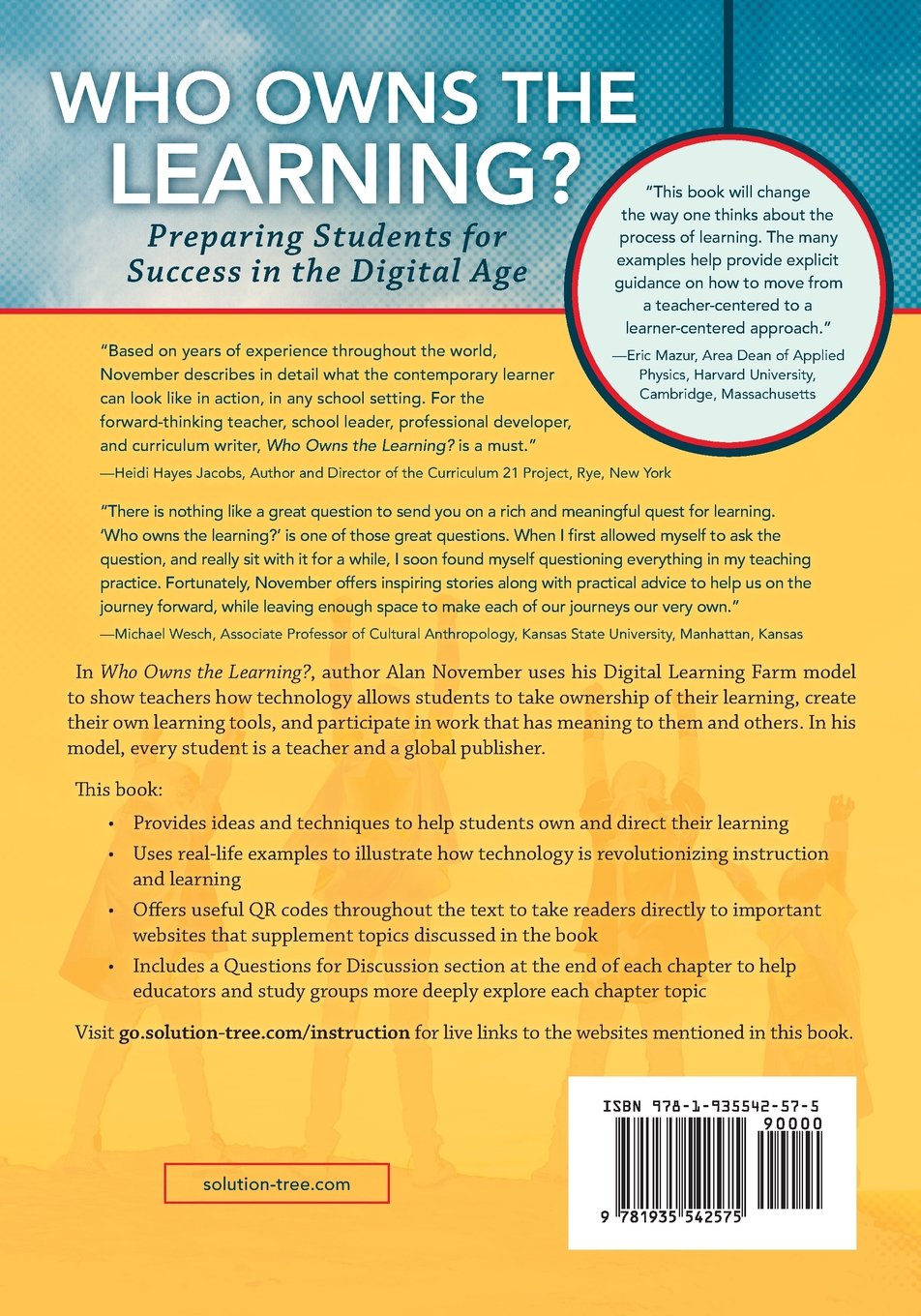
When we think about education today, one big question emerges: “Who really owns the learning?” The book “Who Owns the Learning?” dives deep into this topic, making a compelling case for student empowerment in the educational landscape. It highlights the urgency of preparing students for success in our digital age. by leveraging technology and fostering self-directed learning, we can transform not just classrooms, but educational experiences. This book is a guiding light for educators looking to nurture a generation that takes ownership of their learning journeys.

In today’s fast-paced world, it’s essential for students to learn how to navigate their own paths. The author emphasizes the importance of students engaging with technology in ways that were previously unimaginable. As an example,they can create their own learning materials,conduct research,and collaborate globally. These aren’t just skills for the future-they’re vital for today’s digital landscape.When students become the architects of their own knowledge, the educational process shifts. it becomes more dynamic, interactive, and relevant to their experiences. The book illustrates this shift with real-world examples, making it relatable and actionable for educators.
As we explore the insights shared in this book, it becomes clear that the conventional teaching model needs a refresh. The concept of students as ‘tutorial designers’ not only engages them but also helps cultivate their natural curiosities.When students undertake meaningful projects, their motivation soars. It’s like a ripple effect; as they learn to collaborate with peers and share their knowledge, they are not just learning-they’re becoming global citizens. Real-life case studies included in the book showcase how teachers have successfully implemented these strategies,bridging the gap between theory and practice.
We can’t overlook the simple fact that this book is designed for every educator, whether you’re a seasoned teacher or just starting out. Its straightforward approach encourages readers to rethink their pedagogical practices. The various strategies outlined provide a practical framework to incorporate student ownership into the classroom. From using technology to develop real-world assignments to fostering a classroom environment that promotes student-lead discussions, the possibilities are endless. As we digest these ideas, it’s evident how much potential lies in shifting our focus from teaching to facilitating learning.
Exploring the Key Features and innovations of the Product

In “who Owns the Learning?”, we discover a rich tapestry of innovative ideas that challenge traditional educational methods. This book focuses on harnessing technology to engage students actively in their learning journey. By promoting self-directed learning, Alan November helps us to inspire our students to take charge of their education. Through real-life examples, we see how ordinary classrooms transform into vibrant learning communities brimming with creativity and collaboration.
One standout feature is the concept of the “Digital Learning Farm,” where students play various roles like tutorial designers and global communicators. This idea ignites our students’ natural curiosity, allowing them to develop unique learning paths. Each chapter presents specific strategies, enabling us to implement these techniques easily in our classrooms. With embedded QR codes that link to additional resources,we have a treasure trove of tools at our fingertips to enhance our teaching practices.
Moreover, the book emphasizes the importance of authentic learning experiences. For us, this means creating classroom environments where students can produce their content, share it, and receive feedback from peers and the broader community. The case studies included make it clear that these innovative approaches can be tailored to suit any classroom, no matter the grade level. As we read, we can envision how to adapt these methods and make them work for our unique teaching contexts.
Alan November’s engaging writing style makes complex ideas accessible. He outlines practical steps to shift from being a traditional “sage on the stage” to a supportive ”guide on the side.” This change fosters student ownership and engagement in our classrooms. Each strategy he shares isn’t just theory; it’s backed up by tangible evidence from real educators successfully applying these methods, which reassures us as we experiment with new approaches.
In essence,this book is a pathway to transforming our educational practices. With innovative concepts and practical tools, we are equipped to guide our students towards becoming empowered learners in the digital age. as we explore these features and innovations, we can’t help but feel excited about the potential to make a lasting impact on our students’ academic journeys.
Our Insights on Integrating Technology into Classroom Instruction
Integrating technology into classroom instruction has never been more critical, especially in today’s fast-paced, digital world. One excellent resource that can help educators navigate this shift is the book “Who Owns the Learning?: Preparing Students for Success in the Digital Age.” This book introduces the concept of student ownership in the learning process, emphasizing how technology can facilitate this transformation and empower students. It’s a thoughtful read for educators who are looking to create a more engaging and effective learning environment.
The book outlines various strategies to turn students into active participants in their education. For instance, students are encouraged to create their own tutorials and share them online, reminiscent of platforms like Khan Academy.We can truly connect this to real-life applications as students learn proper research methods, collaborate globally, and develop content that resonates beyond just a classroom setting. Such experiences not only enrich their knowledge but also build confidence and vital skills for the future.
We’ve found that this book resonates with manny educators. Many reviewers noted how the author’s energizing writing style makes complex ideas accessible. It’s not just theory-there are practical tools and techniques that can easily be implemented in our own classrooms. For example, the strategies include concrete steps on how to leverage tools like Skype for communication and collaboration. It awakens an awareness within us that technology can be harnessed to foster student engagement and ownership.
Though, while the book is packed with insights, it’s not without its critiques.Some readers wished for more diverse examples that span different subjects and grade levels,as many strategies seem tailored primarily to a middle-school audience. This limitation could perhaps restrict the book’s applicability for various educators. Yet, the core premise remains relevant: moving from a teacher-centric model to a student-driven approach is vital for enhancing learning. We encourage all educators to consider these methods, not just for the sake of innovation, but to truly engage and inspire today’s learners.
In a world where technology pervades every aspect of life, this book is a must-read for anyone involved in education. We believe its insights can greatly assist in creating learning experiences that are not only educational but also meaningful and impactful. If you’re ready to explore how to transform your classroom with technology, take a closer look at this valuable resource. Check the latest price below:
Practical recommendations for Maximizing the Learning Experience
To truly maximize the learning experience presented in the book, we should integrate its core ideas into our teaching practices. The concept of student ownership is vital. By allowing students to take charge of their learning, we facilitate an environment where they feel empowered and engaged. Implementing activities that encourage students to create their own projects-like classroom blogs or tutorials-can transform the traditional classroom dynamic. Each student can become a contributor rather than just a passive recipient of information, which enhances their motivation and creativity.
Another recommendation is to utilize technology effectively as outlined in the book. For instance, we can encourage students to use various digital tools for research and collaboration. By introducing platforms like Google Classroom or Microsoft Teams, we create opportunities for global communication and collaboration. Giving students the chance to connect with peers worldwide fosters essential skills, such as critical thinking and effective communication. Furthermore,using real-time feedback and interactive tools can help us tailor the learning experience to each student’s needs.
Additionally, promoting a culture of sharing and peer learning among students can deepen their understanding. This approach helps students learn from one another, enhancing both their communication skills and their comprehension of the subject matter. Implementing peer review sessions or collaborative projects not only engages students but also encourages them to be accountable for their contributions. Such an environment nurtures teamwork and the idea that learning is a shared journey.
we should continuously reflect on our teaching practices to adapt to the evolving educational landscape. Embracing a mindset of lifelong learning ourselves sets the tone for our students. Attending professional progress workshops or engaging in online communities can provide us with fresh insights and tools to keep our teaching dynamic and effective. By experimenting with the strategies presented in the book, we can create a learning atmosphere that truly supports and empowers our students.
Reflections on the journey Toward Digital Age Success in Education
The journey toward success in the digital age of education is both exciting and challenging. As educators, we continually seek better methods to engage our students and prepare them for a world that thrives on technology and innovation. ”Who Owns the Learning?” offers a roadmap to this journey, emphasizing that student ownership of learning is a vital component. This book resonates deeply with us, inviting us to rethink our roles in shaping the educational experience.
Alan November, through insightful examples, demonstrates how students can take charge of their learning using technology. We appreciate that he encourages learners to create meaningful projects, such as blogs and tutorials, that can be shared with their communities and the wider world. These authentic experiences ignite passion and motivation in students, often leading them to exceed their own expectations. This message hits home for us; when students see relevance and purpose in their work, they are far more engaged and driven.
November’s writing style is vibrant and motivating, making complex ideas more accessible. His description of a “Digital Learning Farm” is a especially innovative concept that shows how we can cultivate a classroom environment where every student contributes to the learning ecosystem. While we found some examples lacking in depth,the supplemental resources and links provided help bridge any gaps in understanding. It’s refreshing to see such a collaborative approach to learning,and we believe this is the future of education.
Moreover, the book addresses practical strategies for incorporating technology into our classrooms. We see the immense benefit in fostering collaboration and communication among students,which not only enhances their learning experience but also prepares them for real-world challenges. Learning to research effectively and produce content collaboratively are skills that will serve students beyond their school years. We’re excited about the potential for these techniques to transform our classrooms.
As we reflect on our journey in the digital age,this book serves as a catalyst for change. It prompts us to embrace new teaching methodologies that promote student agency and utilize technology as a supportive tool. We enthusiastically recommend this book to our peers in education, as it provides substantial insights into empowering students, and cultivating a vibrant learning culture that thrives in the digital landscape we are navigating together.
Customer Reviews Analysis
Customer Reviews Analysis
In our exploration of “Who Owns the Learning?: Preparing Students for Success in the Digital Age,” we’ve gathered insights from various educators who have engaged with Alan November’s transformative ideas.The feedback presents a rich tapestry of enthusiasm, critical reflections, and practical takeaways that contribute to an overall favorable reception of the book. Below, we summarize some recurring themes, strengths, and areas of critique from the reviews we’ve analyzed.
positive Insights
Many reviewers praised the book’s focus on empowering students to take charge of their learning. We found consistent recognition for the following aspects:
- Student Ownership: Reviewers noted how the methods described in the book encourage self-motivation and enable students to engage in authentic learning experiences. One reviewer highlighted that “students learn how to make a classroom blog” and collaborate globally-an idea that resonated well with many.
- Engaging Writing Style: Alan November’s energetic prose kept readers engaged. Several noted it as “an enjoyable and inspiring read” that is easy to digest, even for those new to the concepts.
- Practical Guidance: Educators appreciated the clear examples of implementing strategies. The direct links to resources and case studies were seen as valuable tools that can be readily applied in real classrooms.
Areas of Improvement
while the book largely received positive reviews, some points of critique emerged:
- Depth of Content: A few readers expressed a desire for more comprehensive explanations. For instance, while the strategies were noted as helpful, some felt that certain sections, particularly the “Digital Learning Farm,” lacked the necessary detail to fully realize the potential of the ideas presented.
- Scope of Examples: Reviewers observed that the book seemed to focus heavily on middle-school-level teaching strategies. There was a call for more diverse examples that encompass various grade levels, highlighting that the concepts could enrich learning experiences for a broader age group.
- Reference and scholarly Backbone: One reviewer mentioned that the book could benefit from a stronger referencing system to provide a scholarly context for the ideas, which is crucial for education resources aimed at professional development.
summary Table of Key Themes
| Theme | Summary |
|---|---|
| Empowerment | Focus on student ownership and self-motivated learning. |
| Engaging Style | Easy to read and compelling writing keeps educators interested. |
| Practicality | Real examples and resources help teachers implement strategies. |
| Content Depth | Desire for more detail in certain sections and examples. |
| Scope of Submission | Call for more diverse examples across grade levels. |
| References | Plea for a stronger scholarly reference base. |
“Who Owns the Learning?” appears to be a valuable resource for educators eager to rethink their teaching methodologies in the digital age.Its insights into student-driven learning can inspire meaningful change, making it an essential read for those involved in shaping the future of education. However, as we consider adopting its concepts, we should also reflect on the critiques and seek to adapt its teachings to suit our various contexts.
Pros & Cons
Pros & Cons
In our review of Who Owns the Learning?: Preparing Students for Success in the Digital Age,we found several strengths and weaknesses worth discussing. Here’s a breakdown of the pros and cons to help you decide if this educational resource is right for you and your students.
| Pros | Cons |
|---|---|
| Encourages self-directed learning, fostering independence in students. | Some may find the digital focus less applicable in traditional settings. |
| Real-life examples provide practical insights on technology in education. | Limited to 104 pages, some readers might desire more depth on certain topics. |
| Includes QR codes that link to additional resources for deeper exploration. | The publisher date is 2012, making some examples potentially outdated. |
| Offers clear techniques for teachers to facilitate student ownership of learning. | The book is part of a series, which may require further investment if interested in related topics. |
Ultimately, Who Owns the Learning? is a solid resource for educators seeking to innovate their teaching methodologies by integrating technology, but it may not meet everyone’s needs, especially those looking for more traditional approaches or extensive details. We believe it serves as a useful tool for modern educational settings committed to developing self-sufficient learners.
Q&A
Q&A Section for “Who Owns the Learning?” Review
Q1: Is “Who Owns the Learning?” suitable for all educators?
A1: Absolutely! We believe that this resource is valuable for educators across various levels and disciplines. Whether you’re a classroom teacher, administrator, or involved in educational technology, this book provides insights that can enhance our instructional practices and help us engage students more effectively in their learning journeys.
Q2: How does the book emphasize student ownership in learning?
A2: The book centers on the concept of self-directed learning by illustrating practical techniques that allow students to take control of their educational experiences. We appreciate how it encourages us to foster a classroom environment where students feel empowered to explore their curiosities and develop skills as tutorial designers, scribes, researchers, and global communicators.
Q3: Can we expect to see real-life examples in the book?
A3: Yes, one of the strengths of this resource is its inclusion of real-life examples. These case studies resonate with us and provide tangible illustrations of how technology is transforming education. They serve as inspiration for us to consider how we might implement similar strategies in our classrooms to cultivate a culture of learning and collaboration among students.
Q4: what is a Digital learning Farm community?
A4: The concept of a Digital Learning Farm community is introduced throughout the text as a metaphor for cultivating a vibrant learning ecosystem. We view it as a way to harness technology and community collaboration to enhance student engagement and achievement. The book provides us with actionable ideas for creating these communities and leveraging the unique strengths of our students.
Q5: How is technology incorporated in the teaching strategies suggested in the book?
A5: The integration of technology is a cornerstone of the book’s approach. It emphasizes using tools that allow students to create and share their own learning materials. We find that the embedded QR codes linking to supportive websites and resources make it easy for us to explore these tools and understand how they can enhance our instructional techniques.
Q6: What kind of support does the book provide for implementing its ideas?
A6: The book serves as a guide for us as educators by providing practical techniques and strategies that we can start using promptly. moreover, its focus on collaboration suggests ways we can work together with colleagues to foster a sustained commitment to student-driven learning. It encourages us to innovate and adapt according to the needs of our students.
Q7: Would you recommend this book for professional development purposes?
A7: Without a doubt! We think “Who Owns the Learning?” is an excellent resource for professional development. it challenges us to rethink our teaching approaches and equips us with the necessary tools and insights to transform our classrooms effectively. Engaging with this book as part of a professional learning community can spur meaningful dialog and shared growth among educators.
Q8: Is this book accessible for those new to educational technology?
A8: Yes, we find that the language and concepts are presented clearly, making it accessible for those who may be new to educational technology. the practical examples and step-by-step guidance allow us to build our understanding gradually, ensuring that we feel confident in implementing the strategies suggested.
We hope these Q&As help clear up any questions you may have about ”Who Owns the Learning?” and inspire you to consider incorporating its insights into your educational practice!
Seize the Opportunity
As we draw our review of ”Who Owns the Learning?” to a close, it’s clear that this book is more than just an educational resource; it serves as a guide for transforming the way we engage with our students in the digital age. By championing the idea of student ownership in their learning journeys, this text empowers us all-educators, administrators, and students alike-to foster a more interactive and meaningful educational experience.the real-life examples provided within its pages inspire us to explore the myriad ways technology can enrich our teaching and expand our students’ capabilities.
With each chapter, we uncover techniques that make learning not just a task but a collaborative adventure, reshaping our classrooms into vibrant Digital Learning Farms. The insights contained in this book offer practical pathways for us to cultivate self-directed learners who will ultimately thrive in an interconnected world.
In a rapidly changing educational landscape, “Who Owns the Learning?” serves as an essential companion for those of us committed to innovation and excellence in instruction. We encourage you to dive into this resource-it’s a step towards unlocking our students’ full potential and enhancing our teaching practices.
For those ready to embark on this transformative educational journey, we invite you to purchase your copy here. Happy teaching!
